Millions of data are traded on the Web. It is quite possible that your email, your ID, and your name are on some illegal list out there. Few people know what can really be done with this data and how far the damage from this leak can go.
Criminals can gather your personal information leaked in several different places or collect it all at once in one place, and with that, they can do almost anything with this data. Don’t doubt their ability and crook expertise. With this data, they can falsify documents, open accounts, seek credit, withdraw benefits made available by the Federal Government, negotiate miles, and even use this data to scam people close to you.
Another exciting factor would be to say about the weak passwords that people make around, they often use the same passwords on several sites, and suddenly one of these sites is hacked, the criminal takes this password that you used on a random site and tests on an account full of followers that you have on Instagram and “boom” it is the same password, a dish made for them to apply scams on all their followers. In addition, the criminal will have access to more personal data of yours within the account or harvest more data from a third party, and this is really a “snowball”. Practically, the cyber-criminal can impersonate you in numerous situations, gathering data leaked in several places or coming from a single place that already meets all the needs for such a fraudulent purpose.
Is there a way to avoid this? Of course, there are considerably effective actions to be taken in advance, but this does not exclude risk.
The first measure to reduce the risks of leaking your data would be to avoid using simple and repeated passwords on several platforms and always try to diversify, especially on the platforms where you enter the credit card information, ID, residence address, telephone etc. These accounts must always contain passwords with characters like ‘#@$’, capital letters, numbers, etc., always different from other sites or platforms.
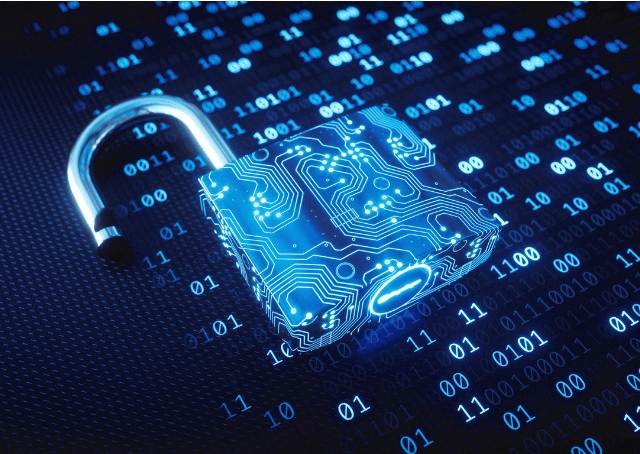
The second measure, check the PADLOCK and if it starts with HTTP on the site when filling in data for any registration; the padlock being locked shows that the site has a security seal, and the “s” in HTTPS demonstrates that this site meets the requirements for data protection.
The third measure regards suspicious messages. This means measures to avoid the collecting of your data through scams. The typical criminal action in this context is to send links for you to click or fake websites for you to access. To avoid falling into these scams, be smart with errors on the website, do not click on links sent by email or WhatsApp and find a reliable way to access them.
The fourth measure is to use two-factor authentication on the platforms.
The fifth security measure is if you are going to leave your personal information on your device and learn to encrypt your data, there are apps that do that. Update yourself and learn. You are in the digital world generation, and today it is already an obligation for you to learn to encrypt your data.
Sixth and last measure, beware of public wi-fi networks, which open and permits easily accessible doors for hackers to monitor and collect your network activities. So, when you are connected to a public wi-fi network, avoid maximum shopping, filling out registrations or credit card information not accessing social media platforms.
If you suspect any data leakage, block your virtual credit and debit cards and be aware of suspicious changes on sites such as Serasa, SPC, boa vista, which are institutions that can negatively score your name in the local market.
If you have your data leaked and you already know where the leak came from, contact the ANPD or through the website Consumidor.gov.br if it relates to your Brazilian Portuguese data, and report it so that the authorities take the appropriate measures to avoid further damage and seek your rights to be reimbursed for the embarrassment (moral damages) and possible material damages.
 AboutBrazil
Leave a comment